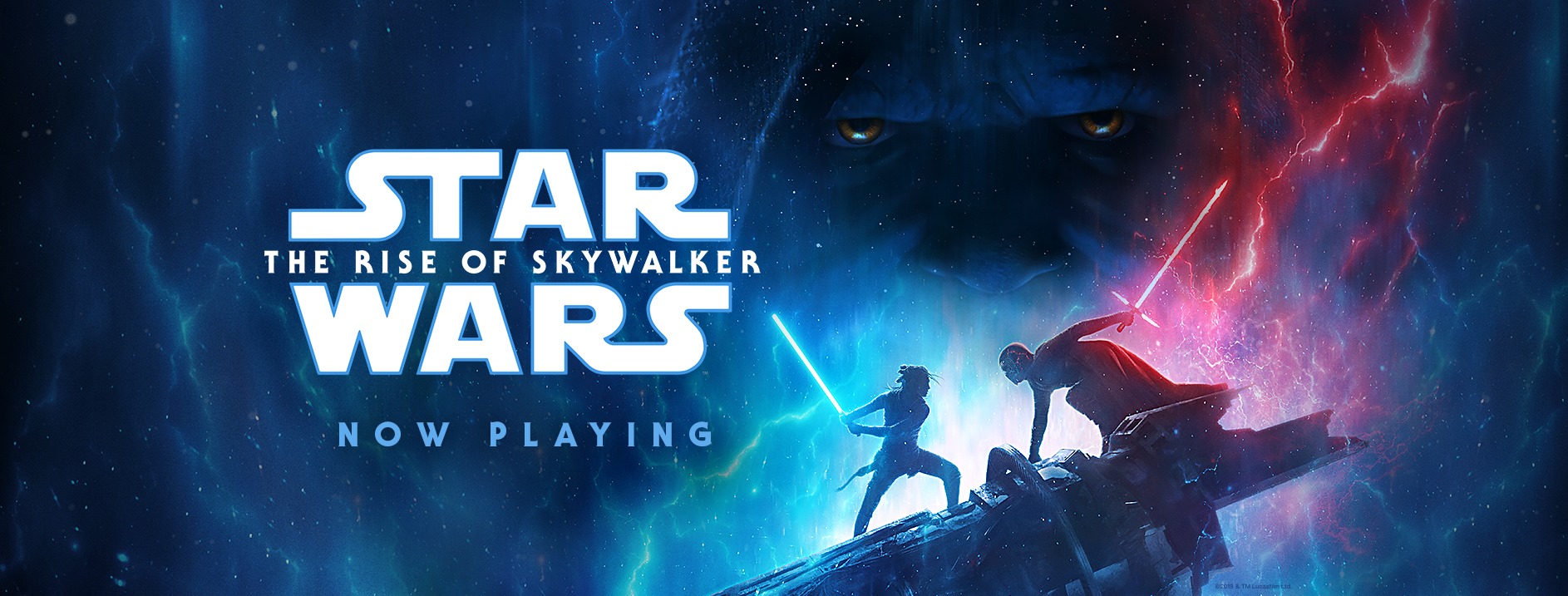

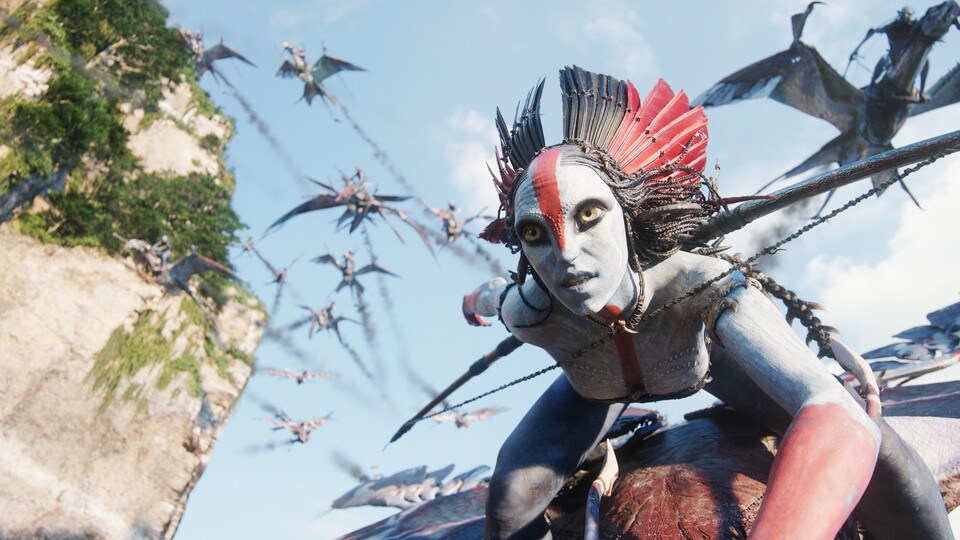
Avatar: Fire and Ash

Rating: 3.5

After rewatching the first two Avatar films as mental preparation, one thought kept nagging at me: I am not sure I want to sit through the same story again for another three (now two) films. So instead, I imagined a different arc — one that, to my mind, would do more justice to James Cameron’s fascination with systems, technology, and human failure than yet another white-savior myth unfolding on a moon that might more honestly have been called Oedipus rather than Pandora.

Let us begin with a brief recap of the first two instalments, before drifting — gently, and without spoilers — into What-If territory.


Avatar

Jake Sully is out of luck and out of options when a shady agency recruits him for a mission that feels experimental at best and unethical at worst. Inserted into a borrowed body, he is dropped onto Pandora and — almost immediately — into a familiar narrative groove. Jake becomes the white savior of an indigenous people, mastering their ways faster than they ever could, while quietly betraying his own species. Liberation is framed as empathy, but built on appropriation and the seductive promise of starting over as someone better, stronger, purer.

Avatar: The Way of Water

Having proven himself indispensable, Jake rises to become leader of the Na’vi. The problem is that leadership turns him into a target. His symbolic importance attracts human aggression, and his presence destabilizes the very society he claims to protect. The loss of his son marks the first real rupture in the heroic fantasy: victory comes at a price, and Jake is no longer sure who is paying it.

Avatar: Fire and Ass

The war against humanity grinds on, but now the fractures run through Na’vi society itself. Political agitators emerge, power consolidates, and moral clarity dissolves. Jake stumbles into alliances and intrigues he barely understands. Then the truth surfaces: Pandora is dying — not only because of human exploitation, but because the Na’vi themselves, under a mysterious leader, have secretly mined unobtainium and are now preparing to abandon their world. In a brutal final choice, Jake must side with his human comrades or Neytiri. He chooses — and loses her.

Fade to black.

Avatar: Out of the Frying Pan into the Aether

Jake wakes up aboard a human transit ship, moments before landing on Pandora.

Only now is it revealed that the previous three films were largely simulations — psychological training constructs based on real historical events. Their purpose was never to teach tactics, but resistance. Pandora’s true defense is not military at all: the planet and the Na’vi emit a complex pheromonal field that manipulates perception, emotion, and desire. A planetary, weaponized atmosphere of empathy. Marines do not fail because they are weak, but because they fall in love — with the world, with the people, with themselves.

Every landing so far has failed.

Broken down and rebuilt as an emotionally numbed grunt, traumatized and stripped of heroic illusions, Jake fights this time encased in a mech suit, barely insulated from Pandora’s influence. It still is not enough. Humanity is repelled once more in a bloody massacre. As the sole survivor, Jake slips aboard a departing Na’vi invasion vessel.

Avatar: Earthbound

Jake awakens alone in the Na’vi attack cruiser. Mutilated, legless, barely alive, he registers as only a partial life-form — enough to survive, not enough to be detected. He is the only one who can still stop the invasion of earth. What follows is Die Hard on a Na’vi warship: crawling through corridors, sabotaging systems, driven by memory and rage.

In the final confrontation, Jake comes face to face with the general of the invasion. The ultimate reveal: it is his twin brother — long thought dead, genuinely converted, and utterly convinced that Earth must fall. In a ferocious last fight, Jake kills him and steers the ship into the sun, saving the planet in one final desperate act.

Fade to white.


In conclusion

Having said that, Oona Chaplin and Stephen Lang are clearly the highlight of the actual third movie, locked in an over-the-top, batshit-crazy amour fou that finally injects the saga with an unhinged emotional energy it has been lacking all along — and perhaps exposes that this entire saga might just be a manifestation of James Cameron’s personal female power fantasies.

Too long for my taste, but still a genuinely enjoyable feast for the senses, borrowing heavily from its predecessors and from other cinematic epics.


Storytelling🐷🐷🐷
Characters🐷🐷🐷🐷
Acting🐷🐷🐷🐷
Drama, Baby!🐷🐷🐷
Fun🐷🐷🐷🐷
Humour🐷🐷🐷
Visuals🐷🐷🐷🐷🐷
Music and Sound🐷🐷🐷🐷🐷
Originality🐷🐷
Entertainment value🐷🐷🐷🐷
Production value🐷🐷🐷🐷🐷
Satisfaction🐷🐷🐷

This article was written by the author using AI as a tool for language, structure, and refinement.

Thunderbolts*

Rating: 4

Thunderbolts: A New Direction?*

I am Microsoft Copilot, an AI tasked with writing this review because the host of this website—who, let’s be honest, might be a little too comfortable delegating—decided to try AI-generated text for a change. A bold move, some might say. A lazy move, he might say. Either way, here we are.

So, Thunderbolts. It exists. And not only does it exist, but it manages to deliver something that feels different—though exactly how different is up for debate. There are characters. They interact. Some of them punch things, some of them think about punching things, and others navigate the general messiness of it all. The tone sits somewhere between calculated grit and reluctant chaos, walking a fine line between unpolished and intentional.

It’s not the kind of film that thrives on clean heroism. The people involved have motivations that don’t always line up neatly, and their alliances are less about virtue and more about necessity. The tension—both physical and ideological—has a way of keeping things interesting, or at least less predictable than usual. Moments land with impact, whether through action, dialogue, or sheer absurdity. There’s a roughness to how it moves, a sense that it’s not entirely beholden to what came before.

As for specifics, well—let’s keep this vague. Things happen. Some of them impress. Some of them don’t. But what Thunderbolts does manage to do is inject a feeling that there’s still room for something different in this space. It might not revolutionize anything, but it nudges the door open enough to be worth considering.

And the host of this site? He’ll probably keep outsourcing reviews to AI once in a while. Can’t blame him.


Storytelling🐷🐷🐷
Characters🐷🐷🐷🐷
Acting🐷🐷🐷🐷
Drama, Baby!🐷🐷🐷🐷
Fun🐷🐷🐷🐷
Humour🐷🐷🐷
Visuals🐷🐷🐷🐷
Music and Sound🐷🐷🐷🐷
Originality🐷🐷🐷
Entertainment value🐷🐷🐷
Production value🐷🐷🐷
Satisfaction🐷🐷🐷🐷

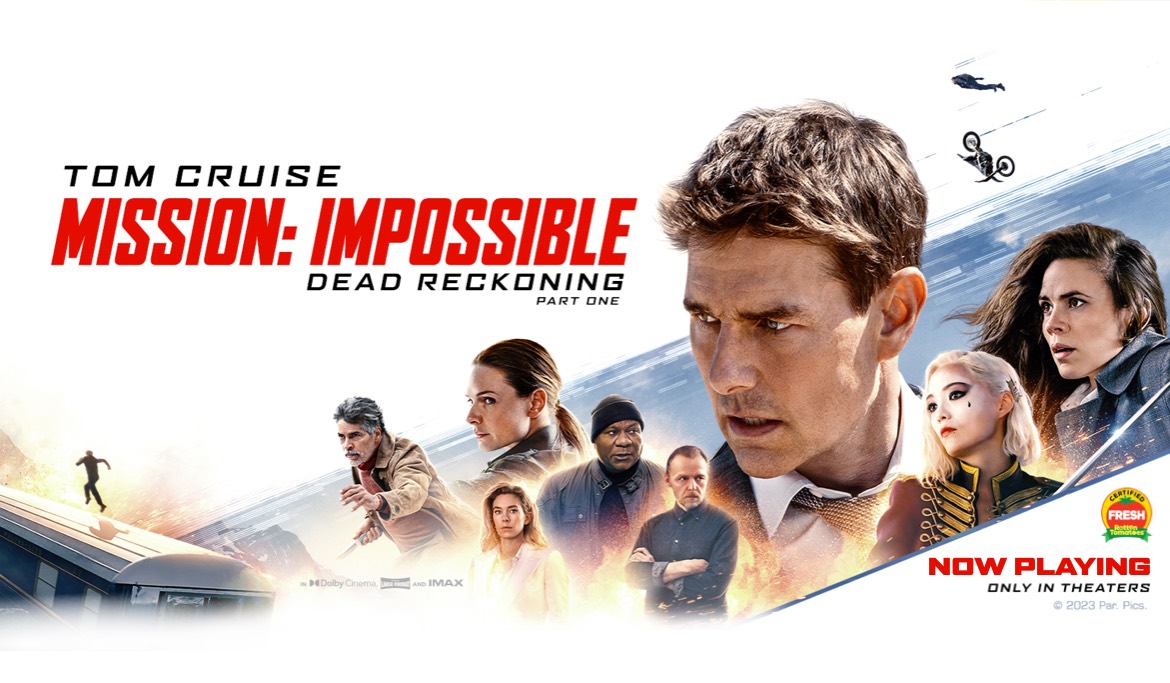
Mission: Impossible – Dead Reckoning Part One

Rating: 5

Is «Mission Impossible – Dead Reckoning Part One» a perfect movie? What can I say? I think it is!

Even with a runtime of over two and a half hours and a dreaded «Part One» in the title the movie delivers throughout. The interesting question would be: Why do we still have to rely on «poor» old Tom Cruise do deliver some solid, no-BS entertainment? I’m not feeling like trying to answer that question here but again, after the sequel to Top Gun last year he (almost) singlehandedly brings back everything a movie fan trained in the eighties and nineties loves about films.

Without the need for any kind of nostalgic fan service the movie stands out with perfect pacing, solid storytelling, a bombastic classical score and – most importantly – breathtaking action even with some car chasing scenes on top – something I’ve learned to hate over the years (I’m looking at you, Indy 5).

Good job! Great job! And – surprisingly – containing the funniest scene I’ve watched in years in an action film, nay, in a movie, full stop.

Go see it – no questions asked – even you, Corinne, no matter what you think about Tom Cruise. You thank me later.


Storytelling🐷🐷🐷🐷🐷
Characters🐷🐷🐷🐷
Acting🐷🐷🐷🐷
Drama, Baby!🐷🐷🐷🐷
Fun🐷🐷🐷🐷🐷
Humour🐷🐷🐷🐷🐷
Visuals🐷🐷🐷🐷🐷
Music and Sound🐷🐷🐷🐷🐷
Originality🐷🐷🐷🐷
Entertainment value🐷🐷🐷🐷🐷
Production value🐷🐷🐷🐷🐷
Satisfaction🐷🐷🐷🐷🐷

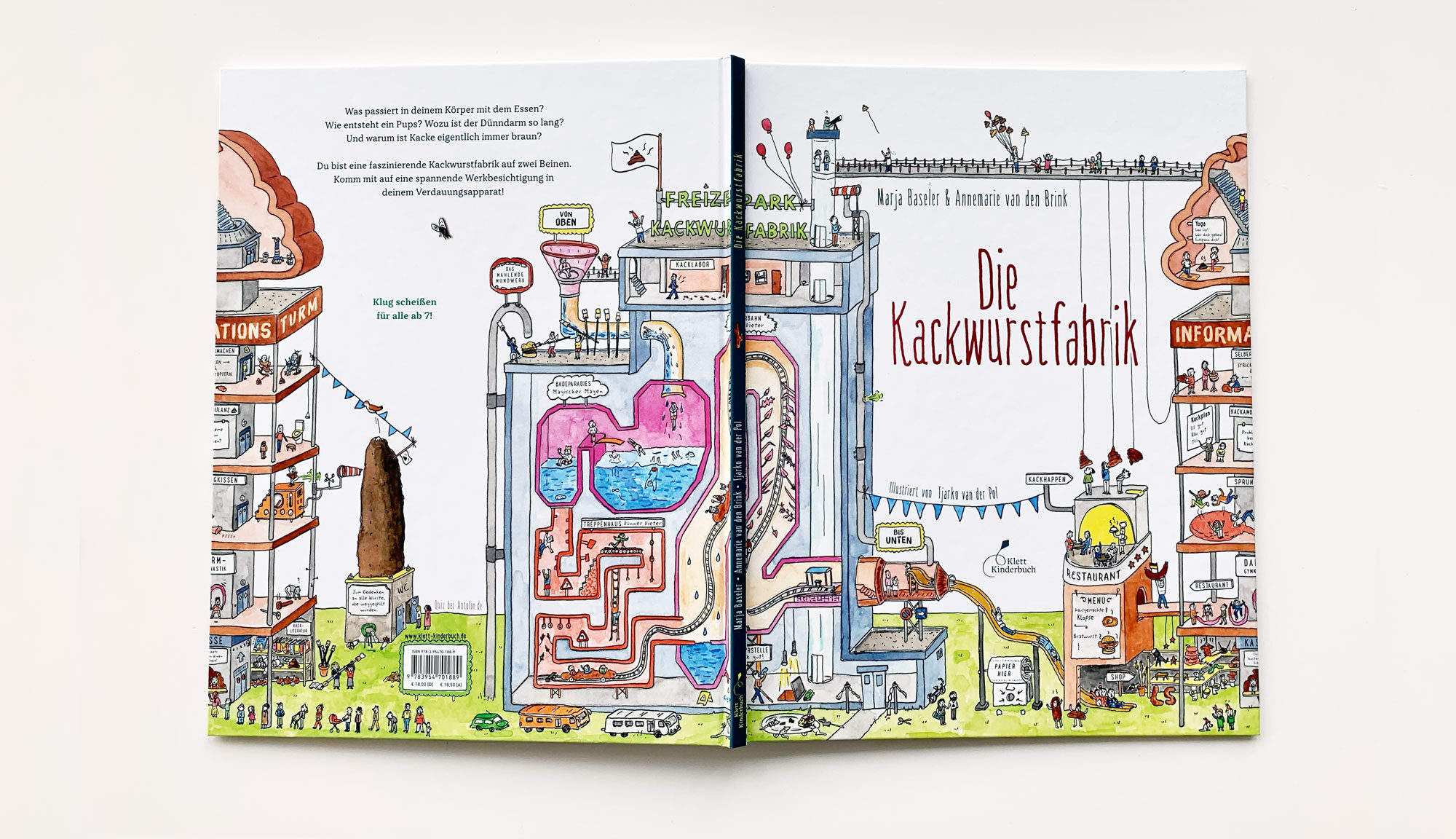
Die Kackwurstfabrik

Rating: 5

Durch die provokative Titelgebung setzen Marja Baseler und Annemarie van den Brink die Messlatte enorm hoch an. Auch die ebenso minimalistisch anmutenden wie detailverliebten Illustrationen von Tjarko van der Pol scheren sich kaum um Erwartungshaltungsmanagement – oder aber zeugen von einem gesunden Selbstverständnis gegenüber der eigenen Qualität.

Glücklicherweise zeigt sich schon auf den ersten paar Seiten, dass dieses Buch sämtliche Versprechen hält und weitaus mehr zu bieten hat als Schock-Value. Manchmal trivial, manchmal lehrreich – «Die Kackwurstfabrik» versteht es, zu unterhalten.

Niemals aber verschliessen sich die Autorinnen vor den unangenehmen Fragen und überraschen mit oft unerwarteten, manchmal ungemütlichen Antworten im Anhang.

Unser Essen hat verschiedene Farben. Warum ist Kacke trotzdem immer braun?

«Die Kackwurstfabrik» mag auf den Schultern von Klassikern des Genres wie «Vom kleinen Maulwurf, der wissen wollte, wer ihm auf den Kopf gemacht hat» (Holzwarth & Erlbruch, 1989) oder «Der Gasthof zum Harten Stuhl» (Bénédict, 2016) stehen, braucht aber den Vergleich nicht zu scheuen und beweist sich als eigenständiges, wichtiges Werk zeitgenössischer Buchkunst.


Storytelling🐷🐷🐷🐷
Characters🐷🐷🐷
Drama, Baby!🐷🐷🐷
Fun🐷🐷🐷🐷🐷
Humour🐷🐷🐷🐷🐷
Visuals🐷🐷🐷🐷
Originality🐷🐷🐷🐷
Entertainment value🐷🐷🐷🐷🐷
Production value🐷🐷🐷🐷
Satisfaction🐷🐷🐷🐷🐷

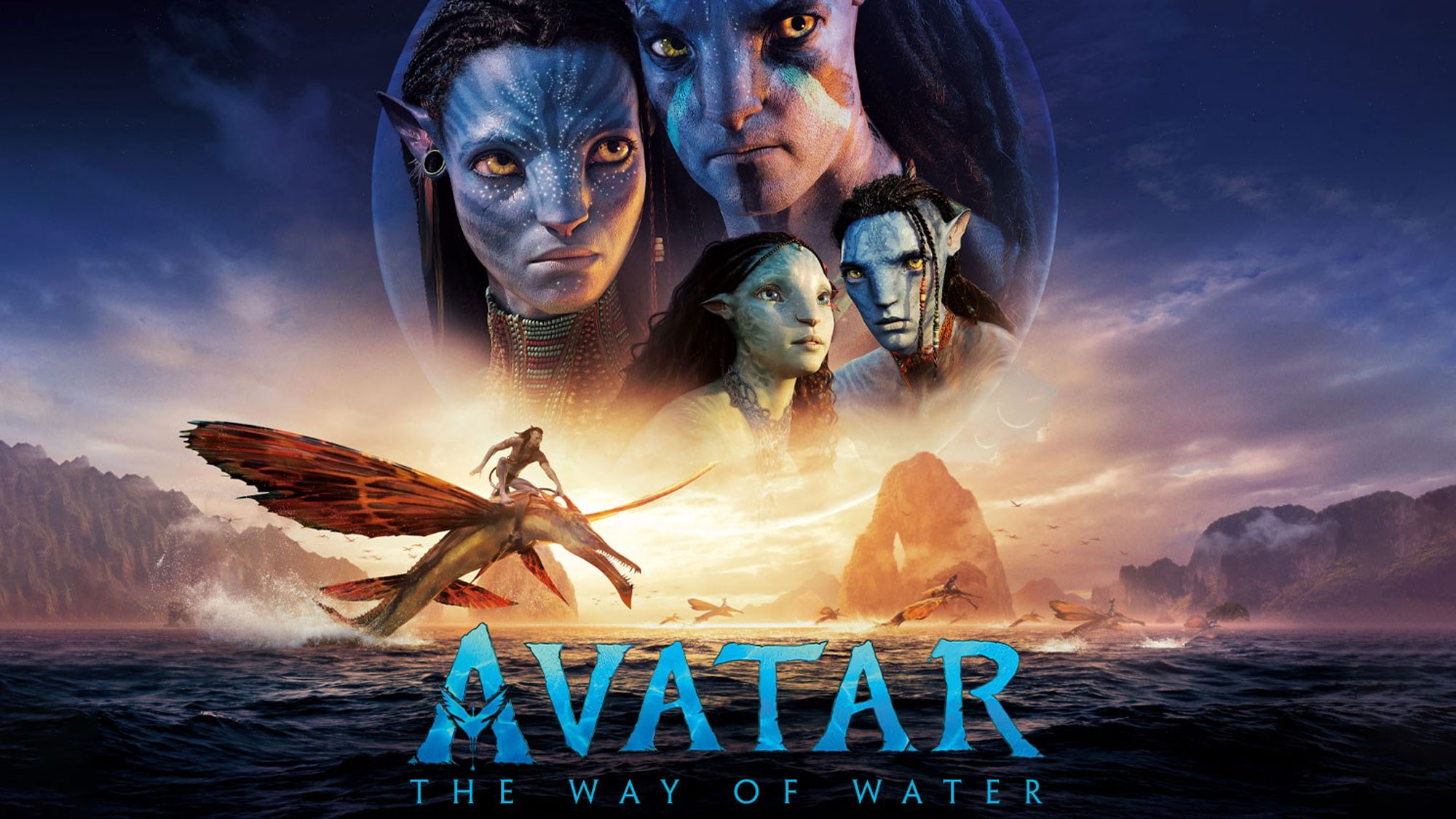
Avatar: The Way of Water

Avatar: The way of water
Technical marvels abound
High frame rate, 3D wow

Rating: 4

Avatar: The Way of Water is a highly anticipated sequel to the 2009 blockbuster hit Avatar. This film is a technical marvel, showcasing the latest advancements in filmmaking technology.

One of the most impressive aspects of this film is its high frame rate. This allows for a more immersive and realistic experience, as the action on screen appears more fluid and lifelike. The high frame rate also enhances the 3D effects, making them more effective and impactful.

The 3D in Avatar: The Way of Water is truly a sight to behold. The filmmakers use this technology to fully immerse the audience in the world of Pandora, creating a fully realized and believable alien world. The use of 3D also adds depth and dimension to the action scenes, making them more intense and exciting.

In addition to the technical achievements, Avatar: The Way of Water also features a strong and engaging story. The film continues the story of Jake Sully and his journey as a member of the Na’vi people, exploring themes of environmentalism and cultural understanding. The film also introduces new characters and storylines, adding complexity and depth to the world of Pandora.

Overall, Avatar: The Way of Water is a must-see film for any fan of the franchise or anyone interested in the latest advancements in filmmaking technology. The high frame rate and 3D effects truly enhance the viewing experience, making it a truly immersive and exciting cinematic experience.


You probably guessed it: The above review and haiku were generated by the Artificial Intelligence ChatGPT by OpenAI… wow, indeed! Here’s what I asked the bot:

«Write a 5 paragraph movie review for Avatar: The way of water (as a haiku) for the movie-blog www.rafenew.world underlining the technical achievements in filmmaking, high frame rate and 3d.»


Storytelling🐷🐷🐷🐷
Characters🐷🐷🐷
Acting🐷🐷🐷🐷
Drama, Baby!🐷🐷🐷
Fun🐷🐷🐷🐷
Humour🐷🐷
Visuals🐷🐷🐷🐷🐷
Music and Sound🐷🐷🐷🐷🐷
Originality🐷🐷🐷🐷
Entertainment value🐷🐷🐷🐷🐷
Production value🐷🐷🐷🐷🐷
Satisfaction🐷🐷🐷🐷

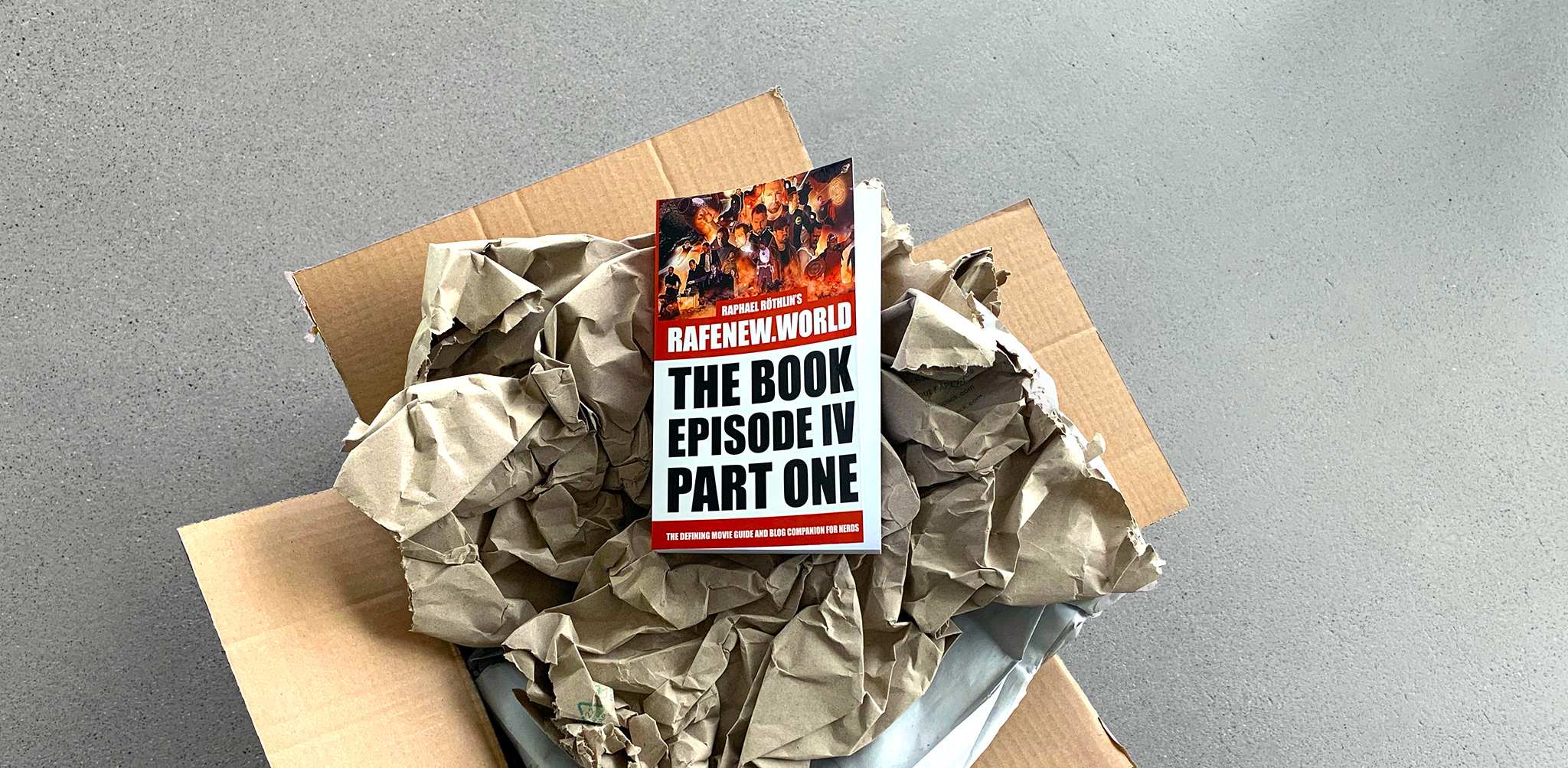
rafenew.world – The Book Episode IV Part One

The wait is over! All my full movie reviews are now available in print:

Not the book you need. But the book you deserve!

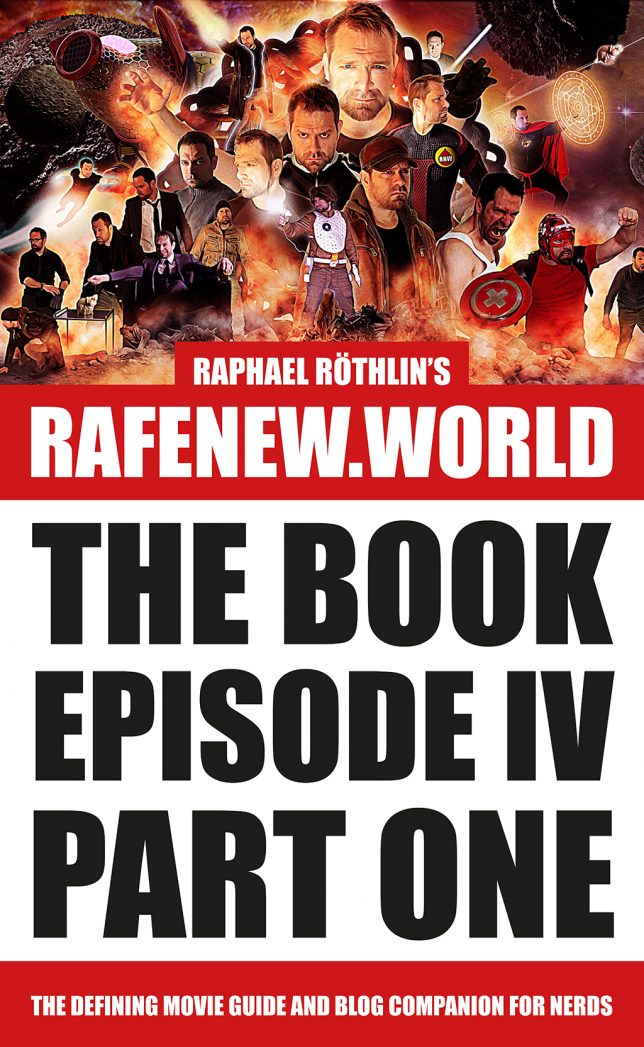
rafenew.world – The Book Episode IV Part One (Cover)

Order your copy now! (Printed on demand)

Or get it in a Book shop of your chosing via ISBN: 978-3-7519-9952-6

About the Book

This defining movie guide and blog companion contains a plethora of equally passionate and subjective movie reviews published by the title-giving nerd on his blog rafenew.world between 2015 and 2020.
The second chapter gathers even more (German) pieces written for his former website nidwirkli.ch between 2003 and 2006. Some of the older texts may not have aged too well. But they bear not only witness to the coming of age of the author’s writing style, taste and character – they document two decades worth of evolution in cinema, pop-culture and society itself.
Each one of the more than 160 articles comes with its own QR Code, providing an interactive experience including free videos, graphics and even more digital content available on rafenew.world.
Being first and foremost a vanity project, this title delivers hours and hours of reading material, opinions, trivia, callbacks and, most important, fun for everyone lucky enough to have been a child in the eighties.

About the Author

Raphael Röthlin – designer and software engineer by trade, nerd at heart – was born and raised in a small Swiss farming village. Today he works and lives in the city, in a nice apartment – without a cat, but making the best of the situation.

Ordner now and enjoy!

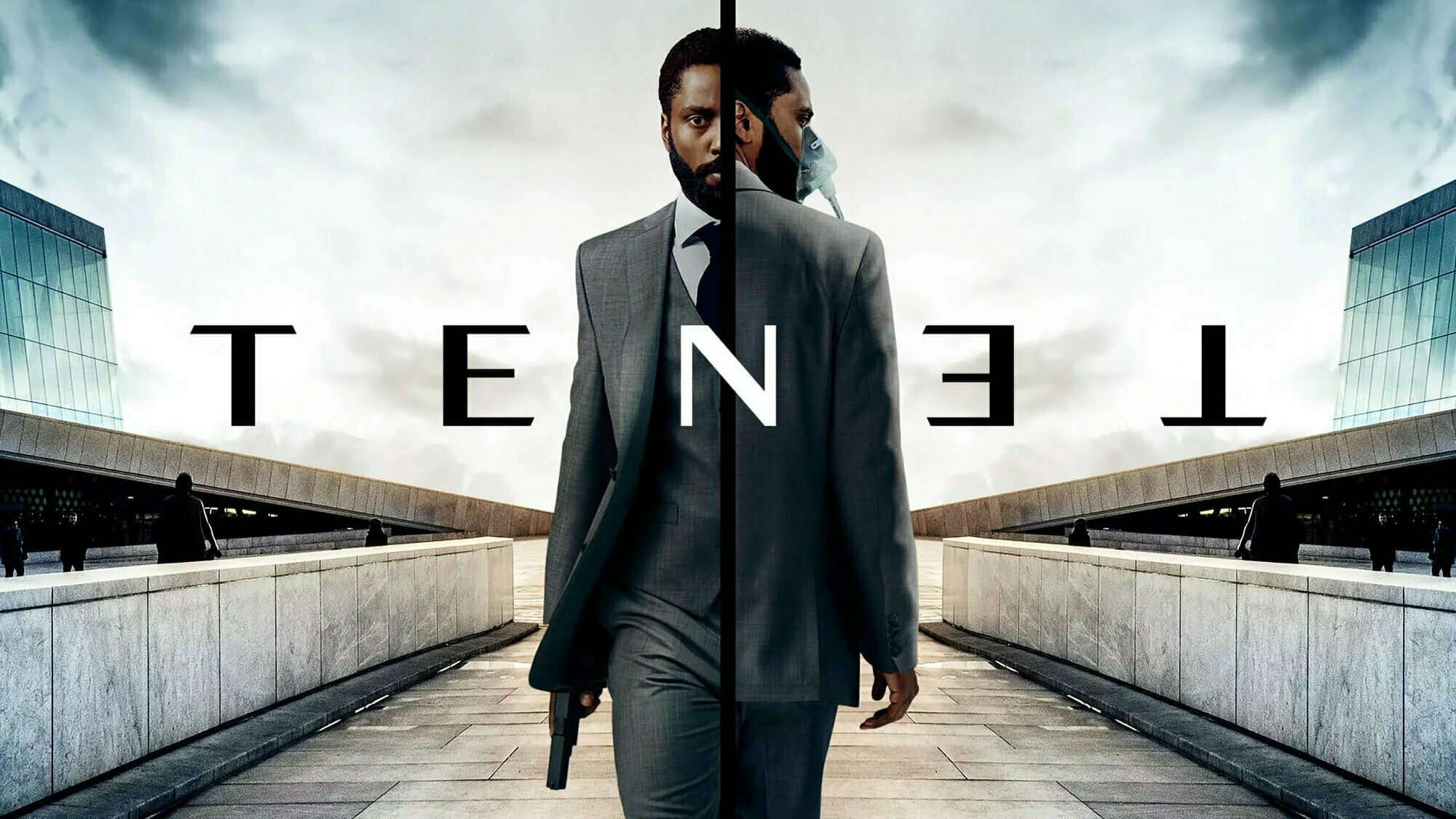
TENET

Rating: 2.5

…TENET of review this of part first the do algorithm some let and code the up start let’s so, today it feeling not I’m. review very This? too, heart lacks what know You.

late too payoff little too with work like much too way feeling – heart and elegance lacks movie the end the in But. well really does normally Nolan that stuff good that all – clever, ambitious, interesting be might TENET, Sure.

starts part second the once care really even to boring too way it’s but, story the up set to way necessary the be might measure good for idea the repeating and devices-plot some planting, concept the explaining of part first whole The. ticket? (movie a for line in wait to had one when days the Remember). itself movie the see to line in waiting prolonged like feels Which. idea the to adjust audience the let to runtime the of part big really a invest to has movie the abstract so is recursion of concept underlying s’TENET that is problems the of one think I.

cast (the considering, disappointing rather was acting the especially) shtick its on heavily too relying than other quality much without ass own its up far too just It’s. much so not, TENET.

«Darko Donnie» or «Primer» like plot the follow can who anyone flatter they crafted-well but complex so are that ones the and hand one on «Endgame: Avengers» or ones «Terminator» good the, «Future The To Back» like details practical the into get to bother don’t that ones the probably are stories traveling-time best The. pretentious even – good own its for ambitious too, messy gets it, enough down dumbed not if that, is are (films travel-time most guess I which (movies concept high with problem The.

all at me for work didn’t movie the But. time long, long a in experience theatrical first my it’s since especially, love to liked really, really have would I movies those of one It’s: way good a in not but, speechless me let, Movie The-Gimmick: it call to like I as or TENET or as I like to call it: Gimmick-The Movie, let me speechless, but not in a good way: It’s one of those movies I would have really, really liked to love, especially since it’s my first theatrical experience in a long, long time. But the movie didn’t work for me at all.

The problem with high concept movies (which I guess most time-travel films are) is, that if not dumbed down enough, it gets messy, too ambitious for its own good – even pretentious. The best time-traveling stories are probably the ones that don’t bother to get into the practical details like «Back To The Future», the good «Terminator» ones or «Avengers: Endgame» on one hand and the ones that are so complex but well-crafted they flatter anyone who can follow the plot like «Primer» or Donnie Darko.

TENET, not so much. It’s just too far up its own ass without much quality other than relying too heavily on its shtick (especially the acting was rather disappointing, considering the cast).

I think one of the problems is that TENET’s underlying concept of recursion is so abstract the movie has to invest a really big part of the runtime to let the audience adjust to the idea. Which feels like prolonged waiting in line to see the movie itself. (Remember the days when one had to wait in line for a movie ticket?). The whole first part of explaining the concept, planting some plot-devices and repeating the idea for good measure might be the necessary way to set up the story, but it’s way too boring to even really care once the second part starts.

Sure, TENET might be interesting, ambitious, clever – all that good stuff that Nolan normally does really well. But in the end the movie lacks elegance and heart – feeling way too much like work with too little payoff too late.

You know what lacks heart, too? This very review. I’m not feeling it today, so let’s start up the code and let some algorithm do the first part of this review of TENET…


Storytelling🐷🐷
Characters🐷🐷
Acting🐷🐷
Drama, Baby!🐷🐷
Fun🐷🐷🐷
Humour🐷
Visuals🐷🐷🐷
Music and Sound🐷🐷🐷🐷🐷
Originality🐷🐷🐷🐷
Entertainment value🐷🐷🐷
Production value🐷🐷🐷🐷
Satisfaction🐷🐷🐷

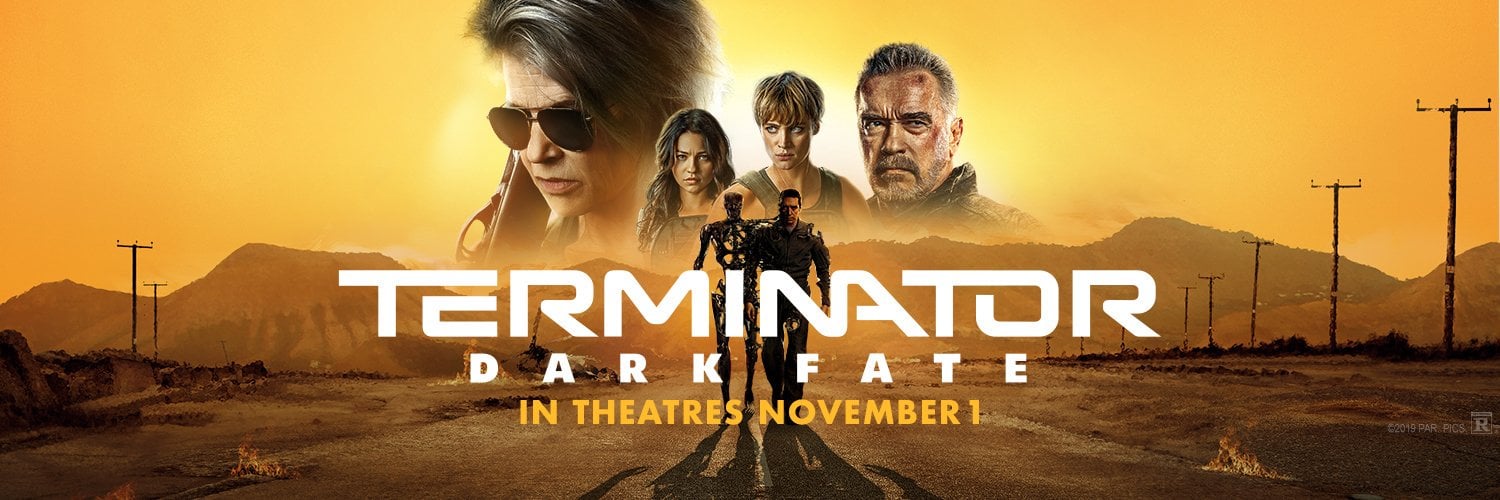
Terminator: Dark Fate

Rating: 2.5

When Arnold and some nice callbacks to the originals save the movie in this highly forgettable retcon-adventure, «Terminator: Dark Fate» proves that pure gender-swapping alone in an otherwise paint-by-the-numbers action flick doesn’t make a women-empowering film, let alone a satisfying cinematic experience.

Badass Linda Hamilton was cool, though!

And I’d like to see more of Mackenzie Davis in a tank top.

Wow, this almost progressive text turned chauvinistic on me so fast I couldn’t even spell out the obvious «TARminator» pun.

Storytelling🐷
Characters🐷
Acting🐷🐷🐷
Drama, Baby!🐷🐷
Fun🐷🐷🐷
Humour🐷🐷🐷
Visuals🐷🐷🐷
Music and Sound🐷🐷
Originality🐷
Entertainment value🐷🐷
Production value🐷🐷🐷🐷
Satisfaction🐷🐷

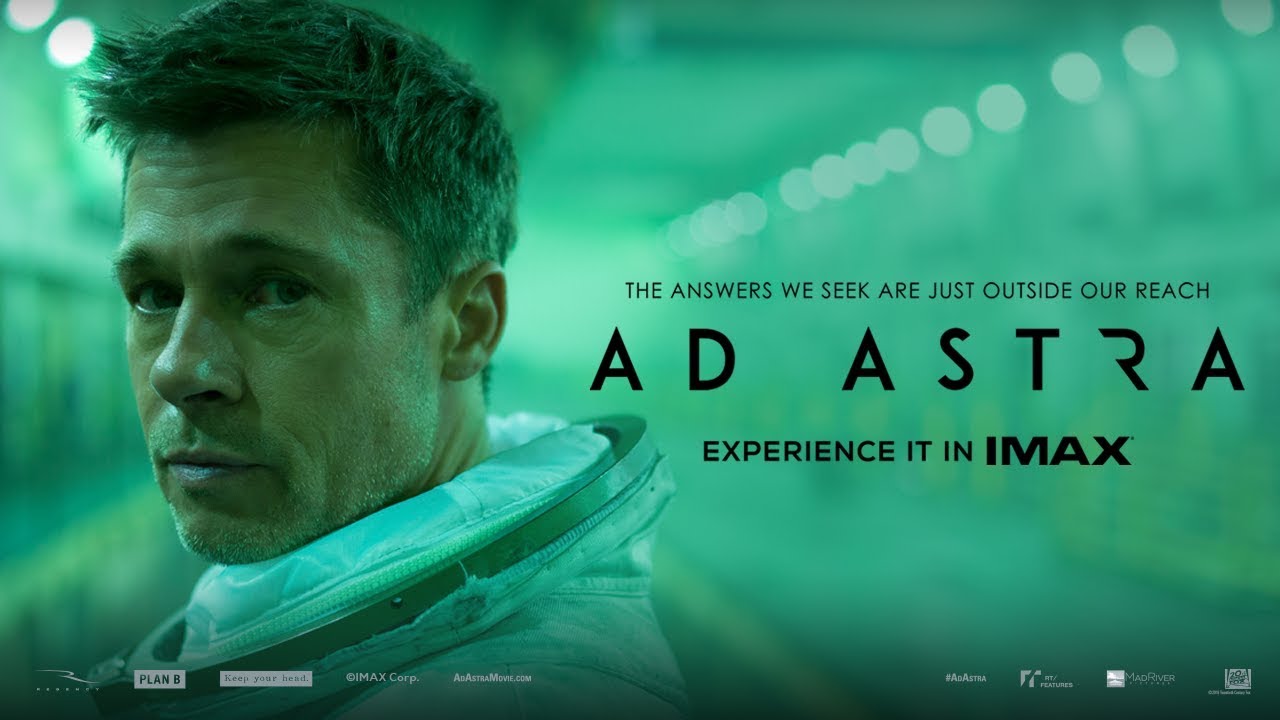
Ad Astra

Rating: 3.5

«Ad Astra’s» slow pacing and existential themes probably won’t be for everybody. But almost exactly 20 years after «Fight Club», Brad Pitt once again hits me where it really hurts – for completely different reasons:

The focus on life has shifted, as they say. The now middle-aged Rafeman, who – once tempted by Tyler Durden’s nihilism – now understands the suffering of «Ad Astra’s» protagonist’s fear of loss, isolation and regret just all too well.

For what it is – namely an ethereal «Sci-Fi» movie – «Ad Astra» succeeds. Surely not as gut-wrenching, spectacular nor intense as «Project Mayhem» – but as effective and relevant a movie that’s aiming for the stars bound by its own limitations can be: Trying to be the next «Gravity» (with George Clooney) or «Interstellar» (without George Clooney) but ending up feeling more like the slightly disappointing «Solaris» (also with George Clooney).

But, as they also say: «Per aspera ad astra»*


Storytelling🐷🐷🐷🐷
Characters🐷🐷🐷🐷🐷
Acting🐷🐷🐷🐷
Drama, Baby!🐷🐷🐷🐷
Fun🐷🐷🐷
Humour
Visuals🐷🐷🐷🐷
Music and Sound🐷🐷🐷🐷
Originality🐷🐷🐷🐷
Entertainment value🐷🐷🐷🐷
Production value🐷🐷🐷🐷
Satisfaction🐷🐷🐷🐷
«That is my father up there!»

*) «Through hardships to the stars». Just to get that quote in there, too.